June 10, 2026
June 10, 2026
A little universe, just for you
Free PNG · 1080 × 1350 · No account needed
Image rights and credit requirements apply when sharing or reusing imagery.
Your celebration date stays the same. Each image keeps its actual publication date.
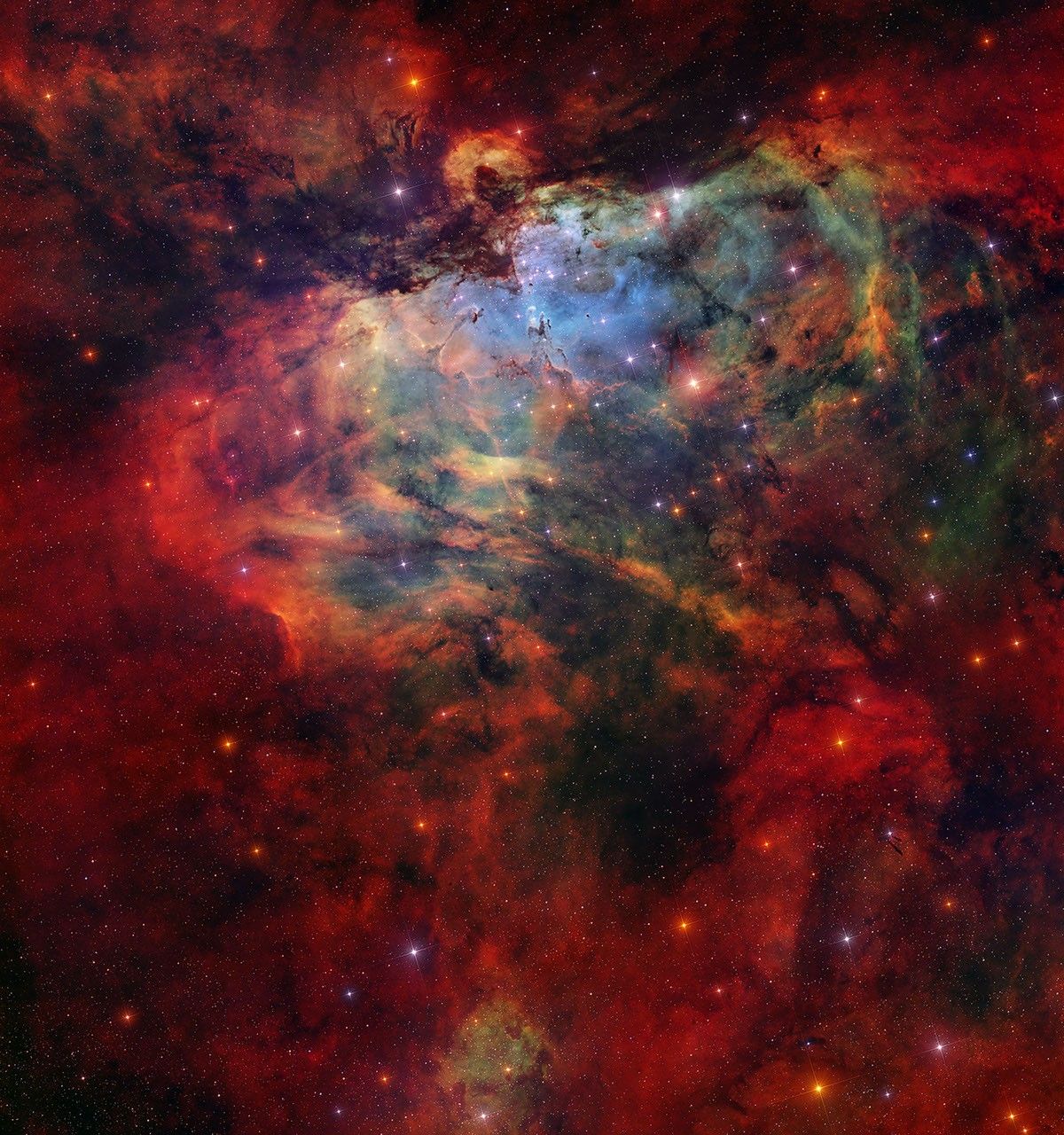
Selected image source ↗ APOD published June 10, 2026. Credit: Emmanuel Delgadillo Text: Keighley Rockcliffe (NASA GSFC, UMBC CSST, CRESST II). A publication-date match, not a photo taken on your date. Independent of NASA.
Read the original APOD for the astronomer’s explanation and full image credits. Its text is preserved in the archive as published.
What looks as if it is going to swallow the great Pillars of Creation? The Eagle Nebula (M16) is not a bird, a plane, or Superman. M16 is actually a combination of several celestial objects. NGC 6611 is the young star cluster that appears to peak out beneath the Eagle’s “wings”. The ultraviolet light from these stars ionizes the surrounding gas, creating the emission nebula IC 4703. The Stellar Spire is seen reaching towards the Pillars of Creation from the left. Both are structures of cold gas and dust that are optimal for star formation. Some astronomers previously thought the Pillars of Creation had been evaporated away by a supernova. Because M16 is 6,000 light years away, we would not be able to see the Pillars’ destruction for thousands more years. However, there is no conclusive evidence of the theorized supernova, so the Pillars of Creation will likely continue to create stars for millions of years.
Image credit: Emmanuel Delgadillo Text: Keighley Rockcliffe (NASA GSFC, UMBC CSST, CRESST II)
Updated · APOD entries through