July 25, 2026
July 25, 2026
A little universe, just for you
Free PNG · 1080 × 1350 · No account needed
Image rights and credit requirements apply when sharing or reusing imagery.
Your celebration date stays the same. Each image keeps its actual publication date.
Selected image source ↗ APOD published July 25, 2026. Credit: Tranquility. A publication-date match, not a photo taken on your date. Independent of NASA.
Read the original APOD for the astronomer’s explanation and full image credits. Its text is preserved in the archive as published.
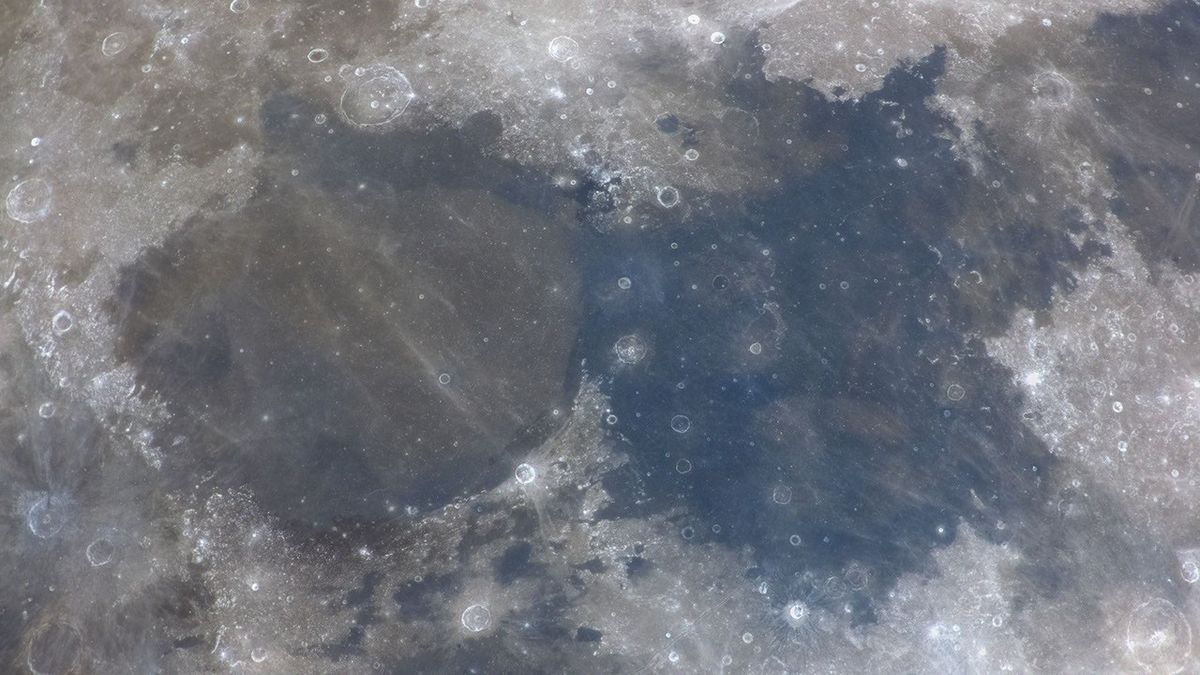
The Seas of Tranquility and Serenity are calm today. They're calm most every day though, since they are actually lunar maria, ancient lava flows filling in large impact basins on the Moon. Also known by Latin names Mare Tranquillitatis (right) and Mare Serenitatis, the smooth dark lunar "seas" are in stark contrast to the bright cratered lunar highlands surrounding them in this telescopic view. Of course their names are based on the historical, pre-telescopic designations of lunar maria. Easily visible to the unaided eye, the broad features on the Moon's near side were imagined to be like the expansive oceans of planet Earth. On July 20, 1969, the Apollo 11 lunar module Eagle touched down on the Mare Tranquillitatis (at lower right), establishing Tranquility base and the first human presence on the Moon.
Image credit: Tranquility
Updated · APOD entries through