July 24, 2026
July 24, 2026
A little universe, just for you
Free PNG · 1080 × 1350 · No account needed
Image rights and credit requirements apply when sharing or reusing imagery.
Your celebration date stays the same. Each image keeps its actual publication date.
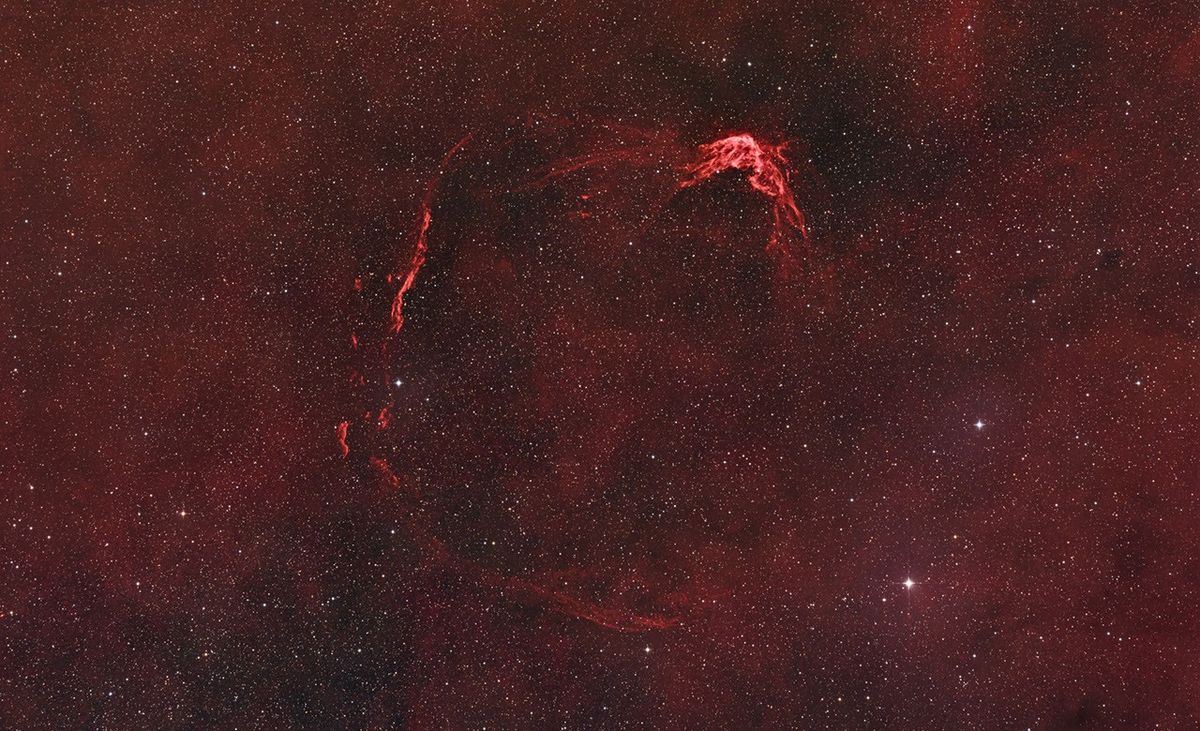
Selected image source ↗ APOD published July 24, 2026. Credit: Chinese astronomers. A publication-date match, not a photo taken on your date. Independent of NASA.
Read the original APOD for the astronomer’s explanation and full image credits. Its text is preserved in the archive as published.
In 185 AD, Chinese astronomers recorded the appearance of a new star in the Nanmen asterism. That part of the sky is identified with part of the southern constellation Centaurus on modern star charts. In fact, the new star was reported to be visible to the naked-eye for months before it faded from view, and is now thought to be the earliest recorded supernova. In this 21st century telescopic image, the wispy outlines of a faint emission nebula recognized as the remnant of that historical stellar explosion can be traced against a starry background. The ragged but roughly circular extent of the nebula, cataloged as RCW 86, represents interstellar gas ionized by the supernova's still expanding shock wave. Space-based images indicate an abundance of the element iron in RCW 86 and the absence of a neutron star or pulsar within the remnant, suggesting that the original supernova was Type Ia. Unlike the core collapse supernova explosion of a massive star, a Type Ia supernova is a thermonuclear detonation on a white dwarf star that has accreted material from its companion in a binary star system. Near the plane of our Milky Way galaxy and larger than the full moon on the sky this supernova remnant is too faint to be seen by eye though. RCW 86 is some 8,000 light-years distant and around 100 light-years across.
Image credit: Chinese astronomers
Updated · APOD entries through