January 3, 2026
January 3, 2026
A little universe, just for you
Free PNG · 1080 × 1350 · No account needed
Image rights and credit requirements apply when sharing or reusing imagery.
Your celebration date stays the same. Each image keeps its actual publication date.
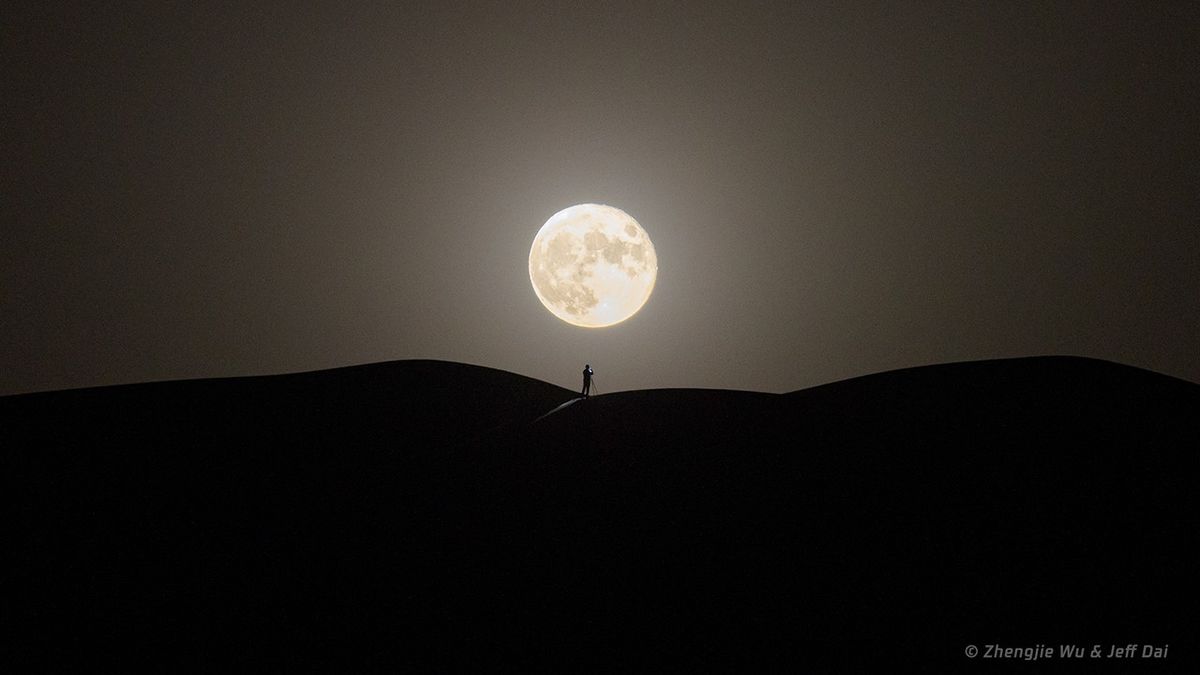
Selected image source ↗ APOD published January 3, 2026. Credit: Jeff Dai. A publication-date match, not a photo taken on your date. Independent of NASA.
Read the original APOD for the astronomer’s explanation and full image credits. Its text is preserved in the archive as published.
The Full Moon is the brightest lunar phase, and tonight you can stand in the light of the first Full Moon of 2026. In fact, the Moon's full phase occurs on January 3 at 10:03 UTC, while only about 7 hours later planet Earth reaches its 2026 perihelion, the closest point in its elliptical orbit around the Sun, at 17:16 UTC. January's Full Moon was also not far from its own perigee, or closest approach to planet Earth. For this lunation the Moon's perigee was on January 1 at 21:44 UTC. You can also spot planet Jupiter, near its brightest for 2026 and close on the sky to the Full Moon tonight. But while you're out skygazing don't forget to look for rare, bright fireballs from the Quadrantid meteor shower.
Image credit: Jeff Dai
Updated · APOD entries through