January 1, 2026
January 1, 2026
A little universe, just for you
Free PNG · 1080 × 1350 · No account needed
Image rights and credit requirements apply when sharing or reusing imagery.
Your celebration date stays the same. Each image keeps its actual publication date.
Selected image source ↗ APOD published January 1, 2026. Credit: Roi Levi. A publication-date match, not a photo taken on your date. Independent of NASA.
Read the original APOD for the astronomer’s explanation and full image credits. Its text is preserved in the archive as published.
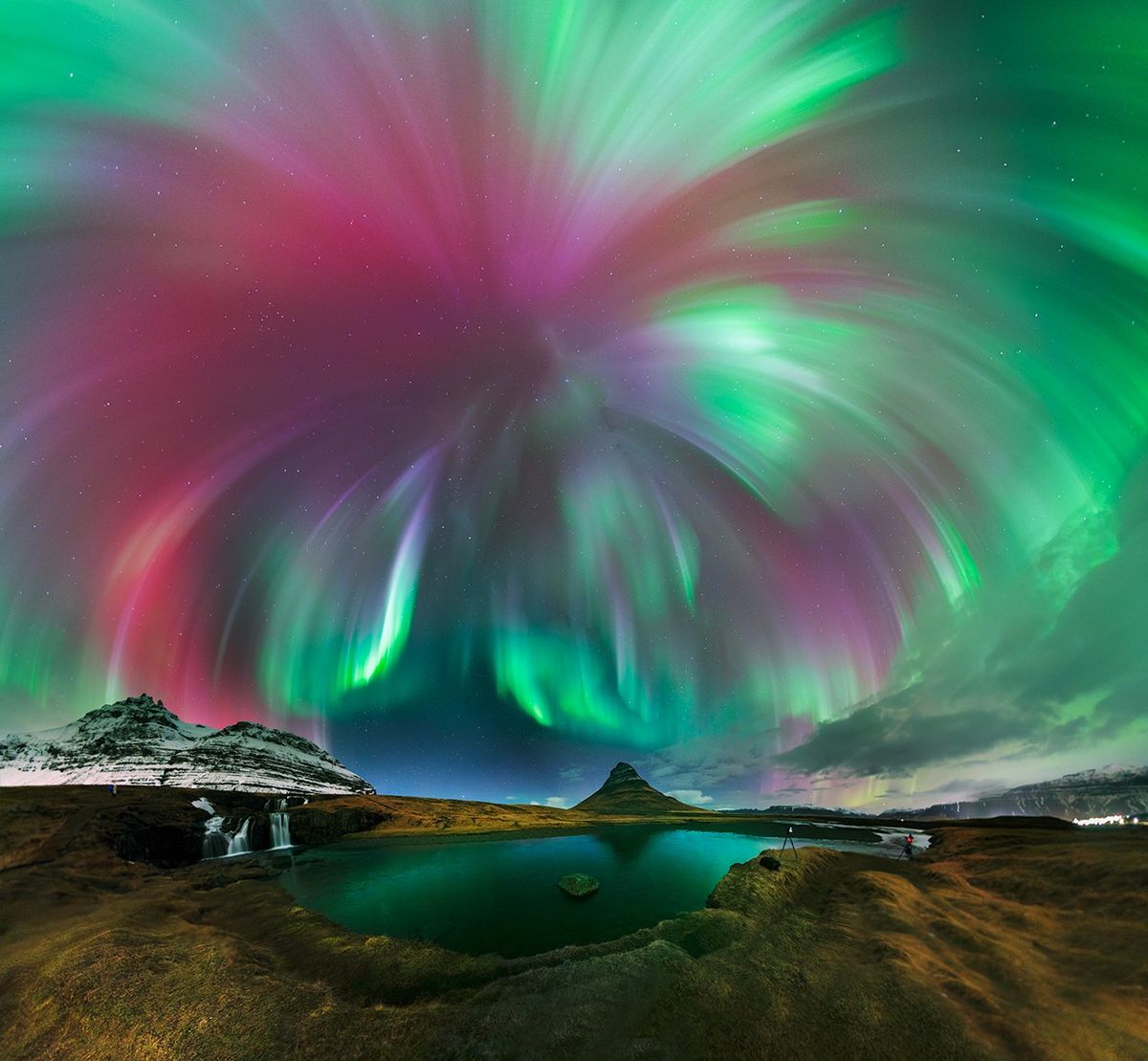
Cycle 25 solar maximum made 2025 a great year for aurora borealis (or aurora australis) on planet Earth. And the high level of solar activity should extend into 2026. So, while you're celebrating the arrival of the new year, check out this spectacular auroral display that erupted in starry night skies over Kirkjufell, Iceland. The awesome auroral corona, energetic curtains of light streaming from directly overhead, was witnessed during a strong geomagnetic storm triggered by intense solar activity near the March 2025 equinox. This boreal skyscape captures the evocative display in a 21 frame panoramic mosaic.
Image credit: Roi Levi
Updated · APOD entries through