February 10, 2026
February 10, 2026
A little universe, just for you
Free PNG · 1080 × 1350 · No account needed
Image rights and credit requirements apply when sharing or reusing imagery.
Your celebration date stays the same. Each image keeps its actual publication date.
Selected image source ↗ APOD published February 10, 2026. Credit: Max Rive. A publication-date match, not a photo taken on your date. Independent of NASA.
Read the original APOD for the astronomer’s explanation and full image credits. Its text is preserved in the archive as published.
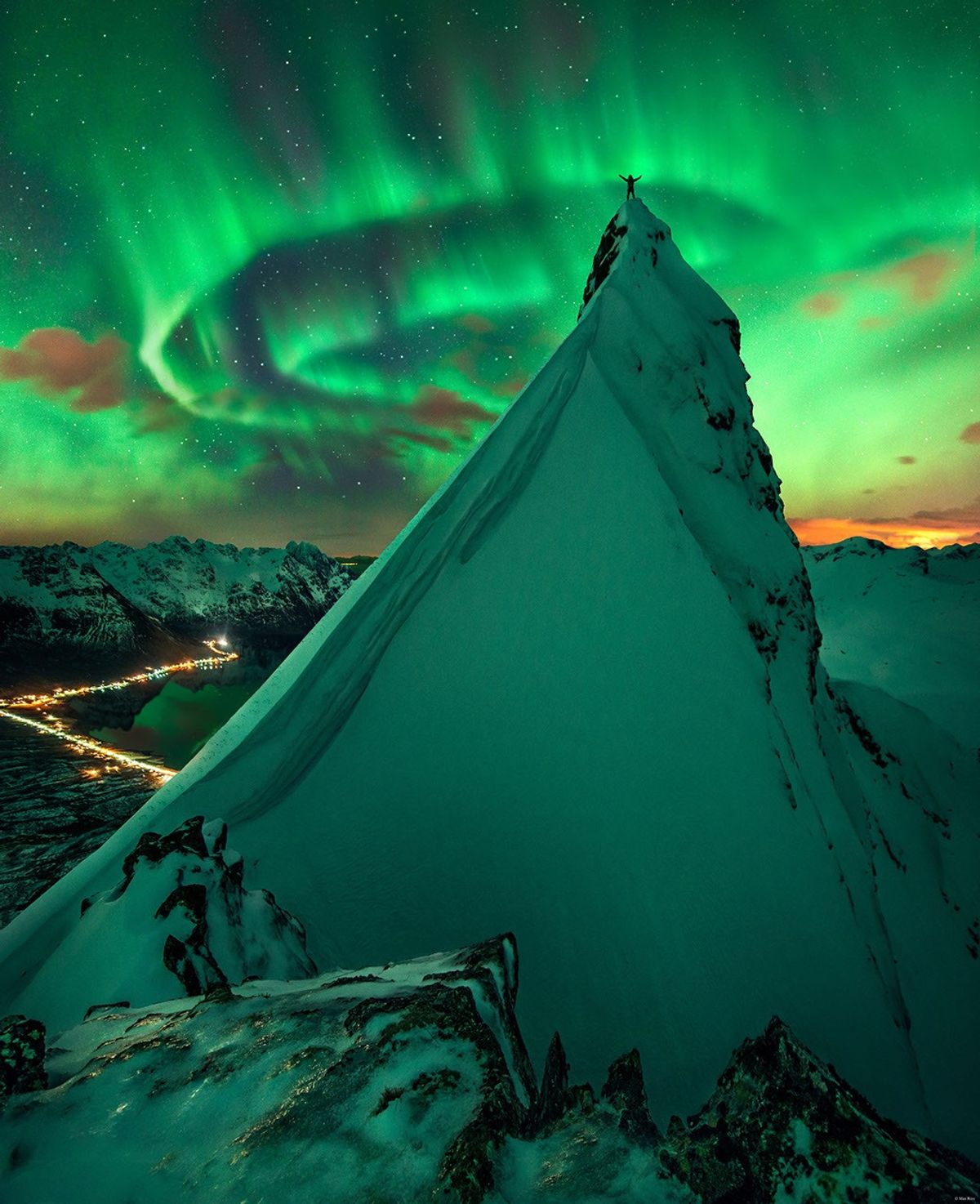
Raise your arms if you see an aurora. With those instructions, two nights went by with, well, clouds -- mostly. On the third night of returning to same peaks, though, the sky not only cleared up but lit up with a spectacular auroral display. Arms went high in the air, patience and experience paid off, and the creative featured image was captured as a composite from three separate exposures. The setting is a summit of the Austnesfjorden (a fjord) close to the town of Svolvear on the Lofoten islands in northern Norway. The year was 2014. This year, our Sun is just passing solar maximum, the peak in its 11-year surface activity cycle. As expected, some spectacular auroras have recently resulted. Portal Universe: Random APOD Generator
Image credit: Max Rive
Updated · APOD entries through