December 22, 2025
December 22, 2025
A little universe, just for you
Free PNG · 1080 × 1350 · No account needed
Image rights and credit requirements apply when sharing or reusing imagery.
Your celebration date stays the same. Each image keeps its actual publication date.
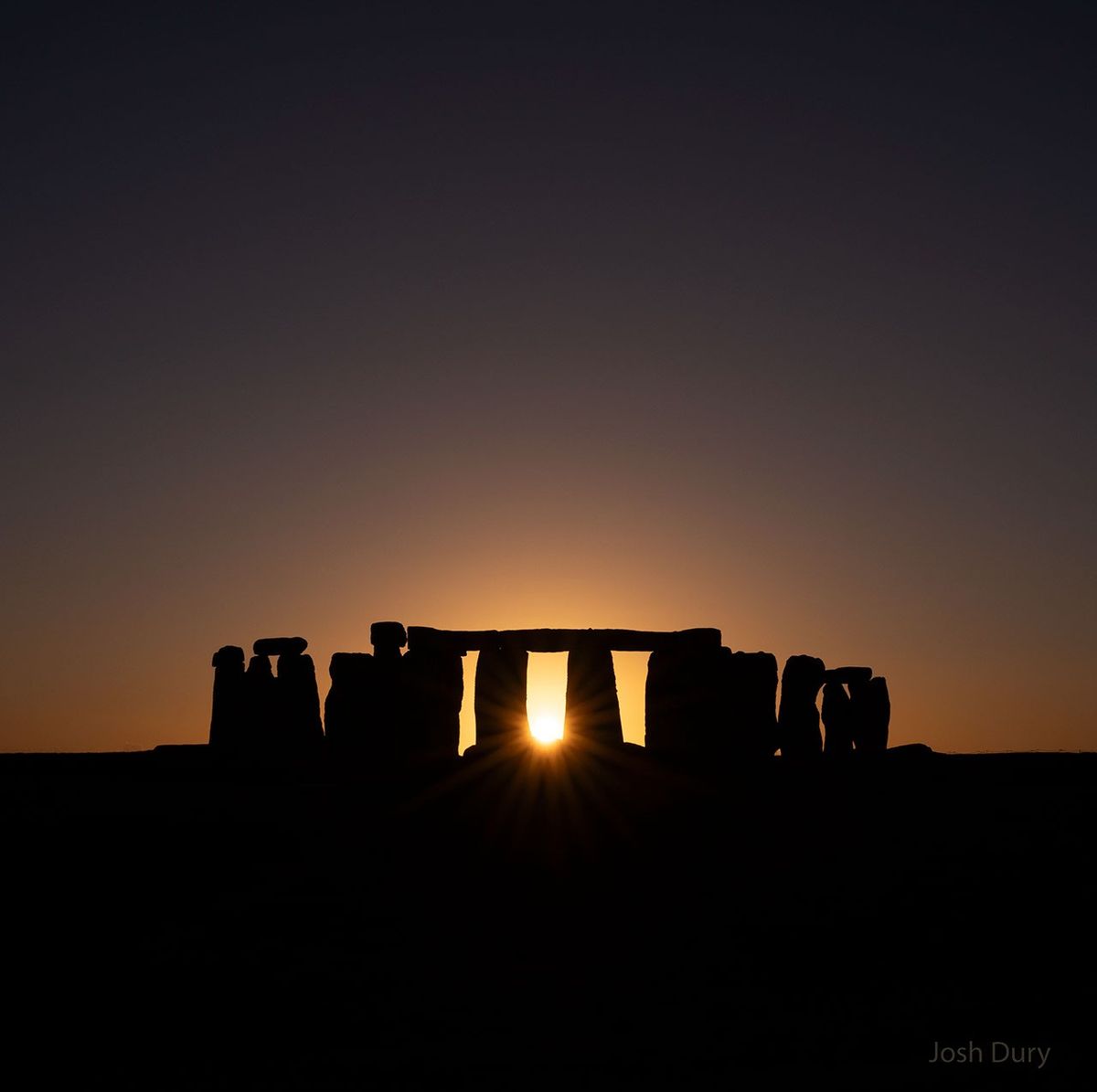
Selected image source ↗ APOD published December 22, 2025. Credit: English Heritage, Josh Dury. A publication-date match, not a photo taken on your date. Independent of NASA.
Read the original APOD for the astronomer’s explanation and full image credits. Its text is preserved in the archive as published.
Yesterday the Sun reached its southernmost point in planet Earth's sky. Called a solstice, many cultures mark yesterday's date as a change of seasons -- from autumn to winter in Earth's Northern Hemisphere and from spring to summer in Earth's Southern Hemisphere. The featured image was taken just before the longest night of the 2025 northern year at Stonehenge in United Kingdom. There, through stones precisely placed 4,500 years ago, a 4.5 billion year old large glowing orb is seen setting. Even given the precession of the Earth's rotational axis over the millennia, the Sun continues to set over Stonehenge in an astronomically significant way.
Image credit: English Heritage, Josh Dury
Updated · APOD entries through